How to Save Money on a Tight Budget and Build an Emergency Fund
An emergency fund is cash set aside for expenses you did not plan, such as an urgent car repair or medical bill. It helps you handle a setback without immediately relying on high-interest debt. You do not need a large starting balance: a small, steady savings habit can build a useful financial buffer over time.
Key Takeaways- Start with a manageable savings target, even if it is only a few dollars a week.
- Track spending before choosing what to cut; guesswork makes weak budgets.
- Automate transfers when possible, but leave enough cash for essential bills.
- Keep emergency money accessible and in an account with appropriate deposit protection.
- If there is no room in the budget, consider safe ways to increase income as well as cutting costs.
The Penny Hoarder’s 2026 State of Savings in America Survey reports that 44% of Americans do not have $1,000 in emergency savings and only 35% have a dedicated emergency fund. Those figures describe the survey, not a promise about what any one household can save. Still, they point to a common problem: many people have little cash set aside when a bill arrives.
Saving is not a test of character, and a tight month is not proof that someone has failed. Income, housing costs, health, caregiving, and debt all affect what is possible. The practical goal is to build a system that fits the money you actually have, then adjust it when circumstances change. Here is how to start without pretending every budget has hidden spare cash.
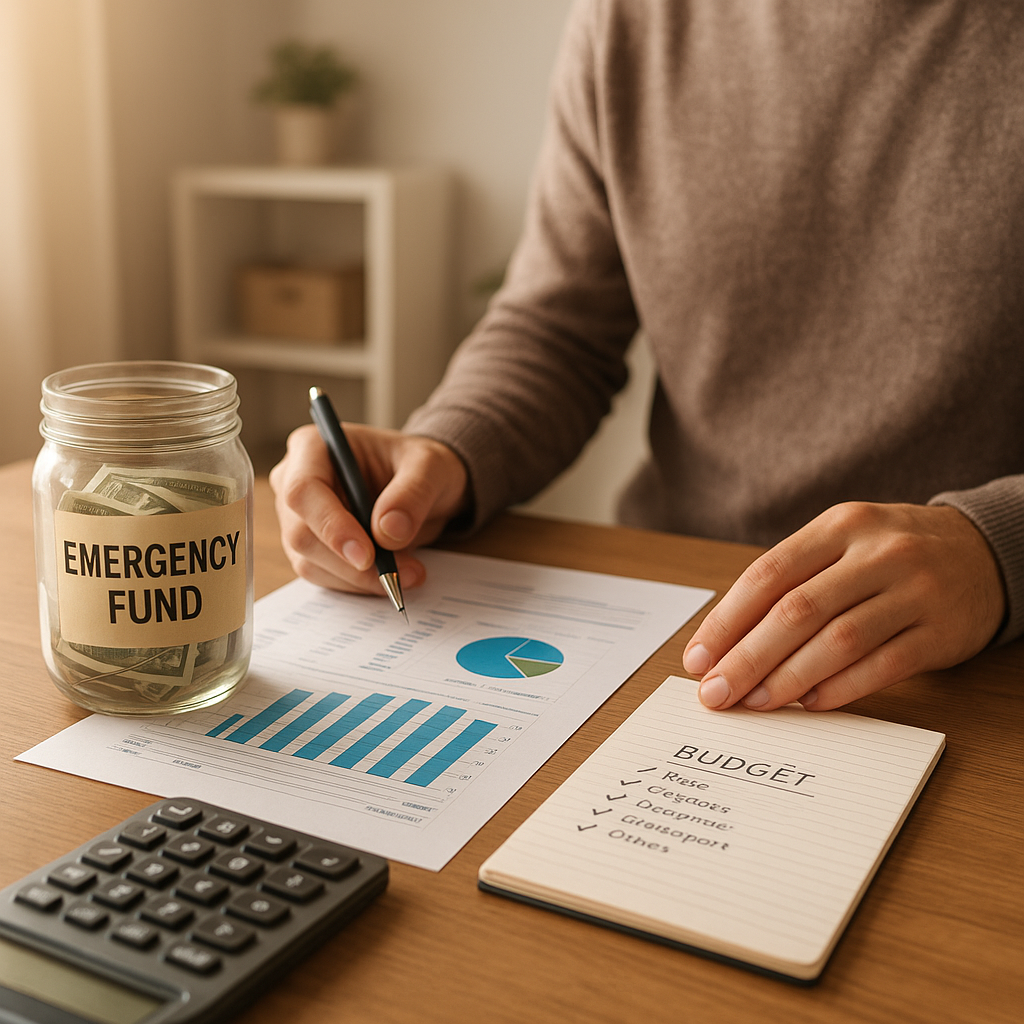
What Is an Emergency Fund, and How Does Saving Work?
An emergency fund is money reserved for necessary costs that are unexpected or irregular. Think of a broken furnace, a sudden trip to care for a family member, a car repair needed to get to work, or a temporary loss of income. It is not the same as money for a planned holiday, a new phone, or annual insurance premiums; those costs may be inconvenient, but they can usually be anticipated and budgeted for separately.
A savings account is a common place to keep this money because it can be easier to access than investments while remaining separate from everyday spending. The Consumer Financial Protection Bureau explains that an emergency fund can help households manage unplanned expenses and avoid relying on credit. Its guidance on building an emergency fund is a useful starting point. The right account depends on access, fees, interest, and deposit protection—not on a flashy rate alone.
There is no universal first target. A useful first milestone might be $100, $500, or $1,000, depending on what feels achievable and which bills would cause the most harm if left unpaid. After that, work toward a month of essential expenses, then consider a larger cushion based on job stability, dependents, health needs, and other risks. A three-to-six-month target is often discussed, but it is a guideline, not an entry fee for being financially responsible.
Saving has two parts: deciding how much to set aside and creating a reliable path for that money to reach savings. That path might be a scheduled transfer, cash deposits, or a manual move after payday. If income varies, a fixed percentage or a small transfer on higher-income weeks may work better than one rigid monthly amount. The CFPB’s budgeting tools can help organize income, bills, and goals.
Frankly, the phrase ‘just save more’ is not a plan. When I compare advice with real household trade-offs, the useful question is whether a proposed amount can be repeated without causing missed rent, skipped medication, or overdraft fees. Saving should support stability, not manufacture a fresh crisis.
Why Building Savings Matters
A cash buffer buys time. It does not make a repair cheap, but it can give you more choices about how to pay for it. That difference matters when the alternative is putting a necessary expense on a credit card and carrying the balance at a high interest rate.
- It reduces the need for expensive borrowing. If a car is essential for work, a repair may not wait until payday. Savings can help cover the bill directly or reduce the amount borrowed. Credit can still be a tool, but it is a costly default when a balance rolls over.
- It makes irregular income easier to manage. Freelancers, shift workers, seasonal employees, and small-business owners may have uneven paydays. A reserve can help cover essential costs during a slow week, though it should not be treated as a substitute for sustainable pricing or income planning.
- It protects other goals. Without a separate emergency reserve, an unexpected bill can force withdrawals from retirement accounts or money saved for education, housing, or another planned need. Keeping goals in distinct accounts or labeled buckets can make the trade-offs clearer.
- It can reduce decision pressure. When a bill is due today, people have less time to compare repair quotes, call a provider, or ask about payment options. Some accessible savings can create breathing room to make a more considered choice.
- It supports responsible stewardship. A budget is a way to direct limited resources toward real needs and commitments. It should respect the dignity of the people in the household; a plan that requires ignoring food, health, or essential care is not a sound plan.
The Federal Deposit Insurance Corporation’s guide to saving for unexpected and planned expenses distinguishes the value of preparing for different kinds of costs. That distinction matters. A vet visit, car registration, and holiday gifts may all be expenses, but they do not all belong in the same savings bucket.
Here’s the kicker: having a fund does not mean every emergency becomes painless. A large medical bill can exceed years of savings, and a job loss can last longer than expected. The fund is a first line of support, not a guarantee against hardship. Pair it with checking insurance coverage, understanding workplace benefits, and knowing which community or government programs may be available when needed.
How to Start Saving Step by Step
- Choose one clear purpose.
Start by naming what the money is for: emergency car repairs, urgent home costs, a medical deductible, or general income interruption. A clear purpose helps distinguish a genuine surprise from an ordinary purchase. If you have several goals, start with the one that would create the most serious consequences if you could not pay it. You can add separate goals later; do not make a complicated spreadsheet a condition for beginning.
- Look at the numbers you already have.
Review a full month of bank and card transactions, then check a second month if your spending changes with the season or pay cycle. Group purchases into housing, utilities, groceries, transport, insurance, debt payments, subscriptions, childcare, health, and personal spending. Include cash purchases and less frequent bills. The CFPB budget tools linked above can help, but a basic spreadsheet or notebook is enough.
Record take-home pay, not just salary before deductions. If income moves up and down, calculate a cautious baseline from recent months rather than building the budget around your best month. List bills by due date, too. Seeing when money leaves the account can reveal a timing problem that a monthly total hides.
- Separate needs, flexible costs, and planned expenses.
Do not label every pleasure as waste or every subscription as essential. Instead, mark expenses as essential, adjustable, or planned. Housing, food, utilities, transportation to work, required medication, and minimum debt payments usually need careful protection. Dining out, some memberships, and optional upgrades may be adjustable. Annual premiums and school costs are planned expenses, even when they arrive only once a year.
This step is about finding choices, not assigning blame. If essentials already consume the available income, trimming coffee purchases will not solve the underlying gap. A budget should make that fact visible so you can consider a larger change, seek support, or add income rather than endlessly cutting small comforts.
- Pick a first goal that can survive a real month.
Choose a starting amount based on your cash flow. It might be $5 per week, $20 per payday, or a small percentage of variable income. A modest transfer repeated for several months is more useful than an ambitious target that leads to bounced payments. If you receive an occasional refund, bonus, or extra shift, you can direct part of it to savings without relying on that money for routine bills.
Make the goal specific: ‘Save $250 over the next six months’ is easier to track than ‘save more.’ Divide the goal by the number of paydays or weeks, then check whether the result is realistic. If it is not, extend the deadline or lower the first target. Reaching a small milestone is progress; it is not a reason to stop.
- Find savings without damaging essentials.
Start with recurring costs because one adjustment can help month after month. Compare insurance renewals, review phone and internet plans, cancel services you no longer use, and ask providers whether a lower-cost option is available. When renewing a lease, ask about terms and fees before signing. Refinancing a mortgage may reduce a payment for some borrowers, but compare closing costs, loan terms, and the time needed to break even; a lower rate does not automatically mean a better deal.
Then look at flexible spending. Plan grocery trips around meals, reduce food waste, use a library for books or media, and set a waiting period for nonessential purchases. Small changes can help, but do not expect them to compensate for a major income-to-housing mismatch. If you cannot make the numbers work after reviewing the budget, the next move may need to be a benefit check, a conversation with creditors, a housing change, or additional income.
- Automate carefully.
A recurring transfer can make saving easier because it removes one decision from each payday. Set it for after income arrives and make sure the timing leaves enough money for rent, utilities, food, and required payments. Start with an amount you can sustain. Check the account balance during the first few cycles; an automatic transfer that triggers overdraft fees is not helping.
If your income is irregular, automate a smaller base amount and add a manual transfer when cash flow permits. Another option is to move a set portion of each payment you receive. The FDIC’s consumer guidance and your bank’s terms can help you understand transfer timing, account fees, and access rules. Keep the process simple enough that you will actually maintain it.
- Protect and review the fund.
Keep emergency savings somewhere accessible, separate from routine spending, and appropriate for the amount you hold. Confirm whether the institution is covered by FDIC deposit insurance or, for a qualifying credit union, National Credit Union Administration coverage. Do not assume that every app or financial company is itself an insured bank; check where deposits are held and what protection applies. The FDIC explains coverage and limits in its deposit insurance resources.
Review the target after a move, new child, job change, health change, or major shift in household expenses. If you use the fund, that is what it is there for. Once the urgent bill is handled, restart contributions at a manageable level. Saving is a repeatable practice, not a one-time finish line.
If there is genuinely no room to save, consider increasing income alongside cost changes. A short-term side hustle—freelance work, occasional shifts, tutoring, or selling items you no longer need—may help fund the first milestone. Calculate transport, supplies, platform fees, and taxes before treating the gross payment as savings. The IRS Gig Economy Tax Center explains tax responsibilities for gig income. Be wary of offers that promise effortless passive income or demand upfront fees; reliable income usually requires time, skill, capital, or some combination of the three.
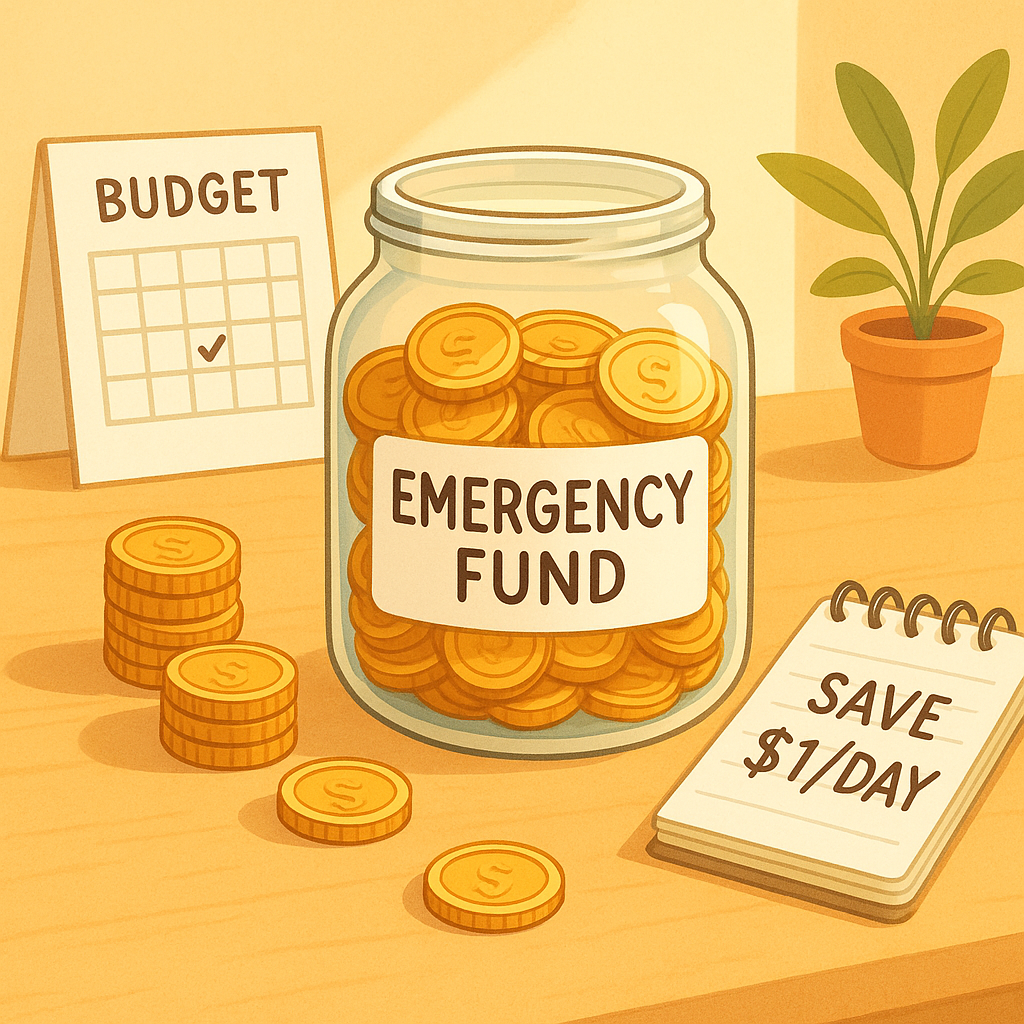
Emergency Savings vs. Relying on a Credit Card
A credit card is often the closest alternative when an emergency arrives before payday, so it is worth comparing the two directly. Savings requires setting aside money in advance, which can feel slow when the budget is tight. A card gives immediate purchasing power, but the balance may grow through interest and fees if it is not repaid in full. Neither option removes the bill itself.
| Factor | Emergency savings | Credit card reliance |
|---|
| Cost of using it | Usually no borrowing interest; account fees may apply | Interest and fees may apply if the balance is carried |
| Access | Depends on transfer and withdrawal rules | Often immediate where the card is accepted |
| Effect on debt | Does not create a loan balance | Can increase debt and future minimum payments |
| Best use | Unexpected necessary costs, within the available balance | A temporary bridge when appropriate, with a repayment plan |
| Main drawback | Takes time to build and can be depleted | Expensive if repayment is delayed; credit limits can change |
When I compare the trade-offs, the point is not that every household should avoid credit under all circumstances. A card can be useful for a payment that requires one, and some people may have no cash reserve when a crisis hits. The practical aim is to build enough savings to reduce how often borrowing becomes the only option. If you already carry card debt, consider the interest rate, minimum payments, hardship options, and a realistic payoff plan before making extra transfers that leave essential bills unpaid.
There is no need to wait for a perfect fund before starting. Even a small balance may cover a modest repair or help avoid a late fee. But keep the money liquid: emergency savings is not the place for assets that can lose value or take days to sell. A regular savings account may pay less interest than some alternatives, yet access and safety can matter more than chasing the highest advertised rate. Compare account terms, minimum balances, withdrawal rules, and deposit protection before moving the fund.
Common Saving Mistakes to Avoid
Waiting until you can save a large amount. A $1,000 goal can look impossible if there is only $10 left after bills. Break it into smaller milestones and begin with an amount that does not put necessities at risk. The first goal is to establish the habit and build some protection, not to impress anyone with a balance.
Building a budget from memory. People routinely forget annual renewals, school costs, gifts, car registration, and occasional medical expenses. Review statements and calendar reminders instead. If the budget leaves no money for irregular bills, those costs will keep appearing to be emergencies even when they are predictable.
Cutting the easiest items rather than the largest costs. Skipping a low-cost treat may help, but it will not offset a rent increase or high insurance premium. Check the biggest recurring bills first, while being realistic about switching costs and the time required. A cheaper plan that removes needed coverage can cost more after a claim.
Automating too much too soon. Automatic transfers are useful only when the account can cover them. Start small, monitor the first few pay periods, and change the schedule if bills arrive before income. Avoiding overdraft charges and late payments is more important than hitting an arbitrary savings number.
Chasing interest while ignoring access and risk. A high advertised rate can come with eligibility rules, fees, minimums, or limits. Verify the institution, account terms, and applicable insurance. Do not put emergency money into volatile investments because someone promises a higher return. The purpose is dependable access, not maximum ROI at any cost.
Treating a side hustle’s gross pay as spendable cash. Online work and gig jobs may bring in extra income, but equipment, travel, platform charges, unpaid time, and taxes can shrink the amount left over. Check the net return and whether the work is sustainable. Skip schemes that require large upfront payments or promise guaranteed earnings for little effort.
Feeling ashamed after using the fund. An emergency fund is meant to be spent on qualifying emergencies. A withdrawal does not erase the progress you made. Handle the urgent need, review whether the original target still fits, then rebuild gradually. Frankly, a plan that allows people to use the money when life happens is better than a plan that leaves it untouched for appearances.
Frequently Asked Questions
How much should I have in an emergency fund?
There is no single correct number. Start with a small milestone that fits your circumstances, then work toward an amount based on essential monthly costs, income stability, dependents, insurance, and health needs. A month of essentials can be a practical intermediate goal; three to six months is a commonly cited longer-term range, not a requirement you must meet before saving counts. If you have high-interest debt or limited income, balance priorities carefully and protect essential bills first.
Where should I keep emergency savings?
Use an account that is accessible, separate from everyday spending, and covered by the appropriate deposit-protection system. Check fees, minimum balance rules, transfer time, and withdrawal limits. A bank savings account may have FDIC coverage when eligible; qualifying credit union deposits may have NCUA coverage. Confirm the institution and account structure rather than relying on an app’s branding. Money needed for emergencies generally should not be placed in volatile investments.
How can I save when my budget is already tight?
Track spending and bill timing before choosing a cut. Review recurring costs, ask providers about lower-cost plans, and look for benefits or assistance for which you may qualify. If essentials already exceed take-home income, small cuts alone may not fix the gap; consider contacting creditors, checking public or community support, or finding additional income that pays more than it costs to earn. Start with even a tiny transfer only if it will not trigger overdrafts or leave essential expenses unpaid.
Should I pay off debt or save first?
The answer depends on interest rates, available cash, and the risk of another emergency. Many people benefit from keeping a small starter reserve while making required minimum payments, because an unexpected bill could otherwise add fresh debt. After that, compare the cost of high-interest debt with the value of adding to savings, and avoid a plan that misses rent, utilities, medication, or other essentials. If the situation is complex, a reputable nonprofit credit counselor can help review options.
Final Thought
A savings account will not fix low wages, expensive housing, inadequate insurance, or every surprise life can produce. It can, however, give you a little more time and choice when an ordinary setback becomes urgent. That is a worthwhile outcome, even if the first deposit is small and the final target is still far away.
Begin with the amount your real budget can bear. Write down one goal, choose a safe place to keep the money, and set a transfer that will not compete with necessities. Then check the plan after a month. If the transfer worked, keep it or increase it modestly; if it caused a shortfall, adjust without treating the change as failure. A budget is a working tool, not a verdict on your worth.
When income is the problem, say so plainly. No clever spreadsheet can make a deficit disappear, and taking on extra work is not always possible for someone managing illness, caregiving, or an unpredictable schedule. Look at cost changes, benefits, debt options, and realistic ways to earn more as parts of the same decision. Be cautious with supposed shortcuts, especially schemes selling guaranteed returns or effortless passive income.
The best emergency fund is not the largest one you can imagine. It is the one you can build, protect, and use responsibly without putting today’s essentials at risk. Start small. Keep going when you can. Rebuild when life takes a withdrawal. That is how a financial safety net gets made.